Omna Taddele
April 6, 2026Why do footballers from Eritrea keep defecting? A look at the history and causes
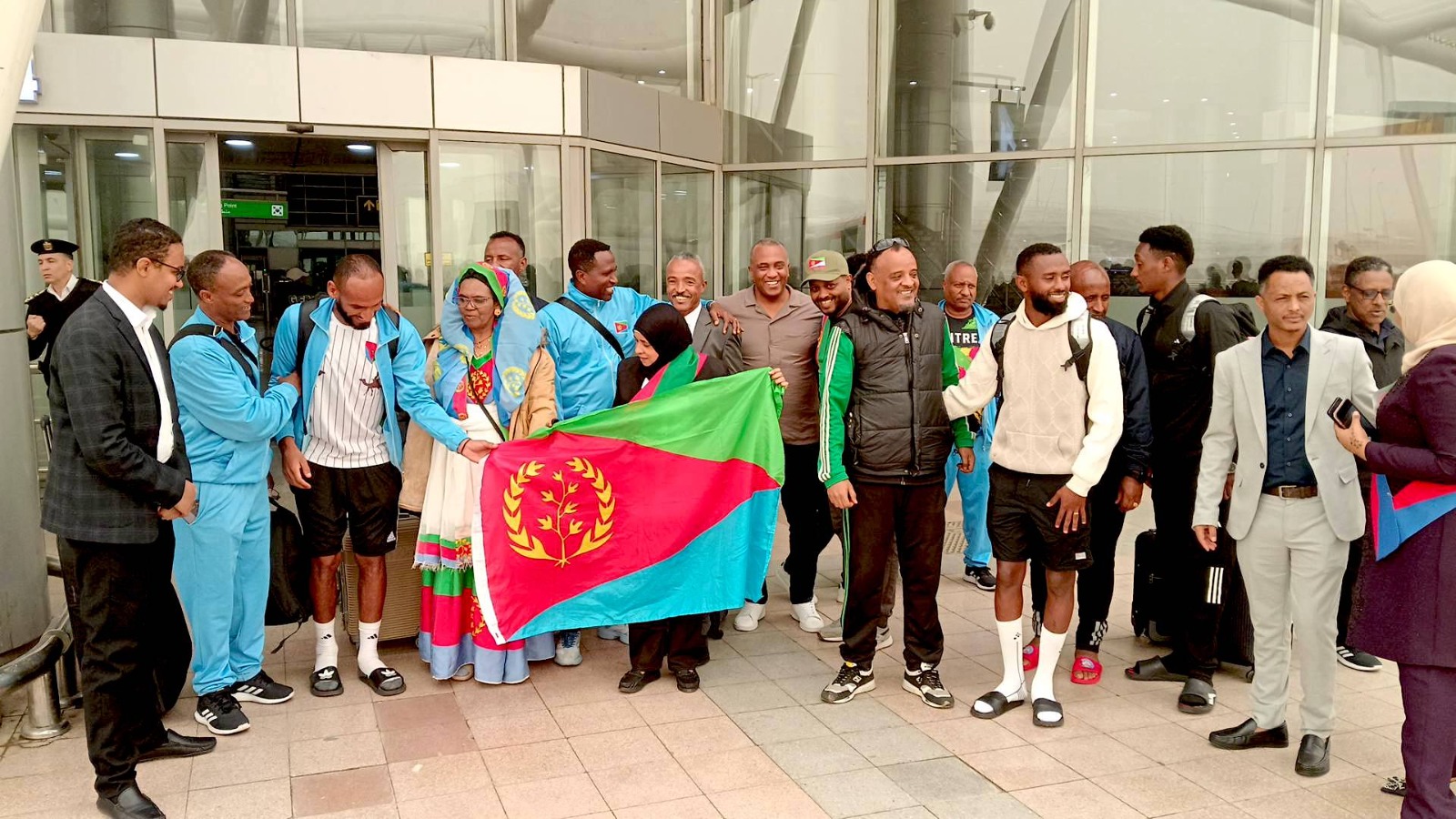
A few local-based players were honored after the Eritrea national team's return from a victory in Eswatini during 2027 Africa Cup of Nations qualifying. But multiple players defected.
Why do footballers from Eritrea keep defecting? A look at the history and causes
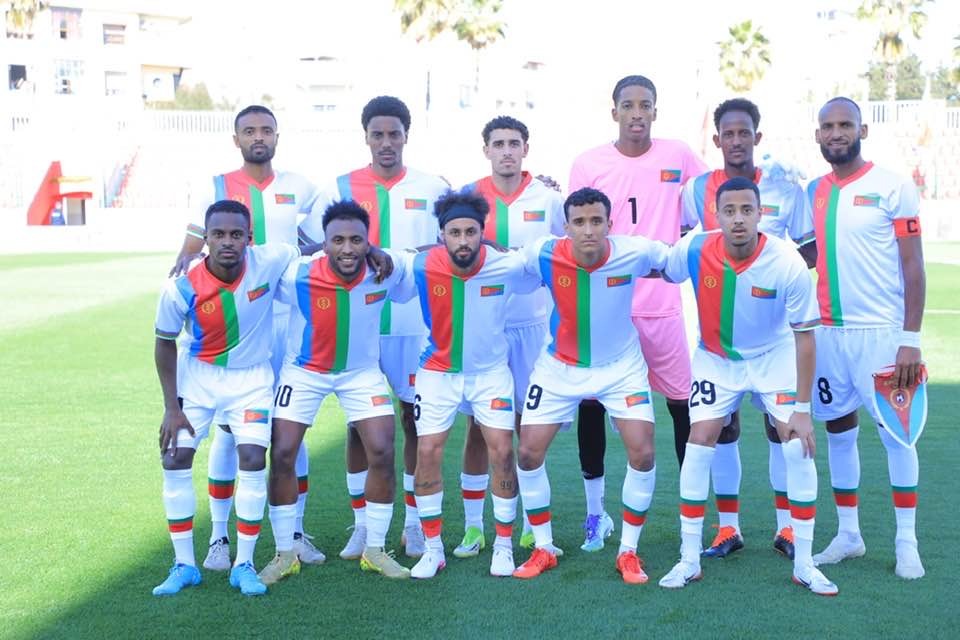
Seven Eritrea national team players have defected in South Africa following their 2027 Africa Cup of Nations preliminary round win over Eswatini.
Eritrea 🇪🇷 continued their dream return from a long hiatus by advancing to the group stage of qualifying for the 2027 #TotalEnergiesAFCON.
Ali Suleiman 🇪🇷 scored twice in a 2-1 victory at Eswatini 🇸🇿 to complete a 4-1 aggregate win.#AFCON #AFCON2027 #AFCONQ #AFCON2027Q pic.twitter.com/k6WoY8m682
— Pan-Africa Football (@PanAfricaFooty) March 31, 2026
The seven locally based players failed to return to their country and are expected to seek asylum in South Africa. Pan-Africa Football takes a look at incidents in which Eritrean players have defected while on national team or club duty.
The desertion of players from Eritrea is not a new phenomenon, as more than 60 players have failed to return to the East African nation since 2007.
Eritrea gained independence from Ethiopia in 1993 after an Eritrean People’s Liberation Front–led referendum, in which 99.81% of the population voted to secede from Ethiopia. The national team has been competing in continental competitions since the early 1990s, but recent defections have limited the team’s participation.
Here are some notable incidents involving Eritrean player defections:
2006
Four players from Red Sea FC sought asylum in Kenya after their game in the CAF Champions League. Red Sea FC were Eritrea’s torchbearers in the Champions League but lost 4-1 on aggregate to Kenyan side Tusker FC.
2007
Following their 6-1 defeat to Angola in the 2008 AFCON qualifier, six Eritrean players defected. In the same year, during the CECAFA Championship in Tanzania, 12 players defected.
2009
For two years, Eritrean authorities restricted the national team’s participation in continental competitions, but in the 2009 CECAFA Championship, 12 players sought asylum in Kenya. Eleven of them managed to obtain refugee status in Australia, where left-back Samuel Ghebrehiwet and center-back Ambesager Sium continued their careers.
2011
After Red Sea exited the 2011 Kagame Cup in the quarter-finals, losing to Young Africans 6-5 in a penalty shootout, 13 players defected from the team’s hotel.
2012
Following a poor outing in the CECAFA Championship in Uganda, 18 players of the Red Sea Camels and the team doctor vanished.
2013
In another CECAFA Championship edition in Kenya, nine players failed to return. The team finished at the bottom of the tournament after three consecutive defeats.
2015
Ten national team players defected after the second leg of their 2018 FIFA World Cup African Qualifier against Botswana. They were initially detained but later released.
2019
Eritrea had an impressive run during the 2019 CECAFA U-20 Championship, securing third place. Four players from that team defected in September 2019. A month later, the national team surprised many fans by reaching the final of the 2019 CECAFA Championship, where they lost 3-0 to hosts Uganda. Seven national team players defected during that period.
2021
In the 2021 CECAFA U-20 Women Championship, five players went missing in Uganda.
2026
Eritrea returned to the AFCON qualifiers after a 19-year absence. The Red Sea Camels defeated Eswatini 4-1 on aggregate, but only three of the ten locally based players returned to their country.
Pan-Africa Football understands that the players who went missing in South Africa are Wedeb Fisshaye (Al Tahrir), Kibrom Solomon (Denden), Yoseif Tsegaye (Denden), Awet Meharena (Red Sea), Nahom Awet (Denden), Benhur Amanuel (Red Sea), and Medhanie Redae (Red Sea).
Three locally based players returned to Asmara, the capital of Eritrea: national team captain Ablelom Teklezgi, Denden midfielder Nahom Tadese, and striker Romel Abdu. Teklezgi scored the decisive opener against Eswatini in the first leg of the AFCON qualifier.
The Eritrean National Football Federation (ENFF) has yet to issue a statement regarding the recent defection. ENFF president Paulos Weldehaymanot recently stated that the country would continue to play the qualifying matches. With a large diaspora contingent being called up to the national team, ENFF hopes to curb defections. During the recent AFCON qualifier, ENFF called up 14 foreign-based players.
Why do players defect from Eritrea?
The main reason Eritrean footballers defect is to escape difficult conditions in their country. When teams travel abroad, it is one of the rare opportunities they have to leave safely.
Indefinite national service, economic hardship, travel restrictions, and strict state control are common driving factors for defection. Eritrean president Isaias Afwerki has led the country since independence, and his political leadership is often criticized by the opposition for stifling freedom of speech, limiting democracy, encouraging mass emigration, and causing economic stagnation.