Martin T
January 17, 2026AFCON: Hassan joins Broos in calling for more African exports to Europe
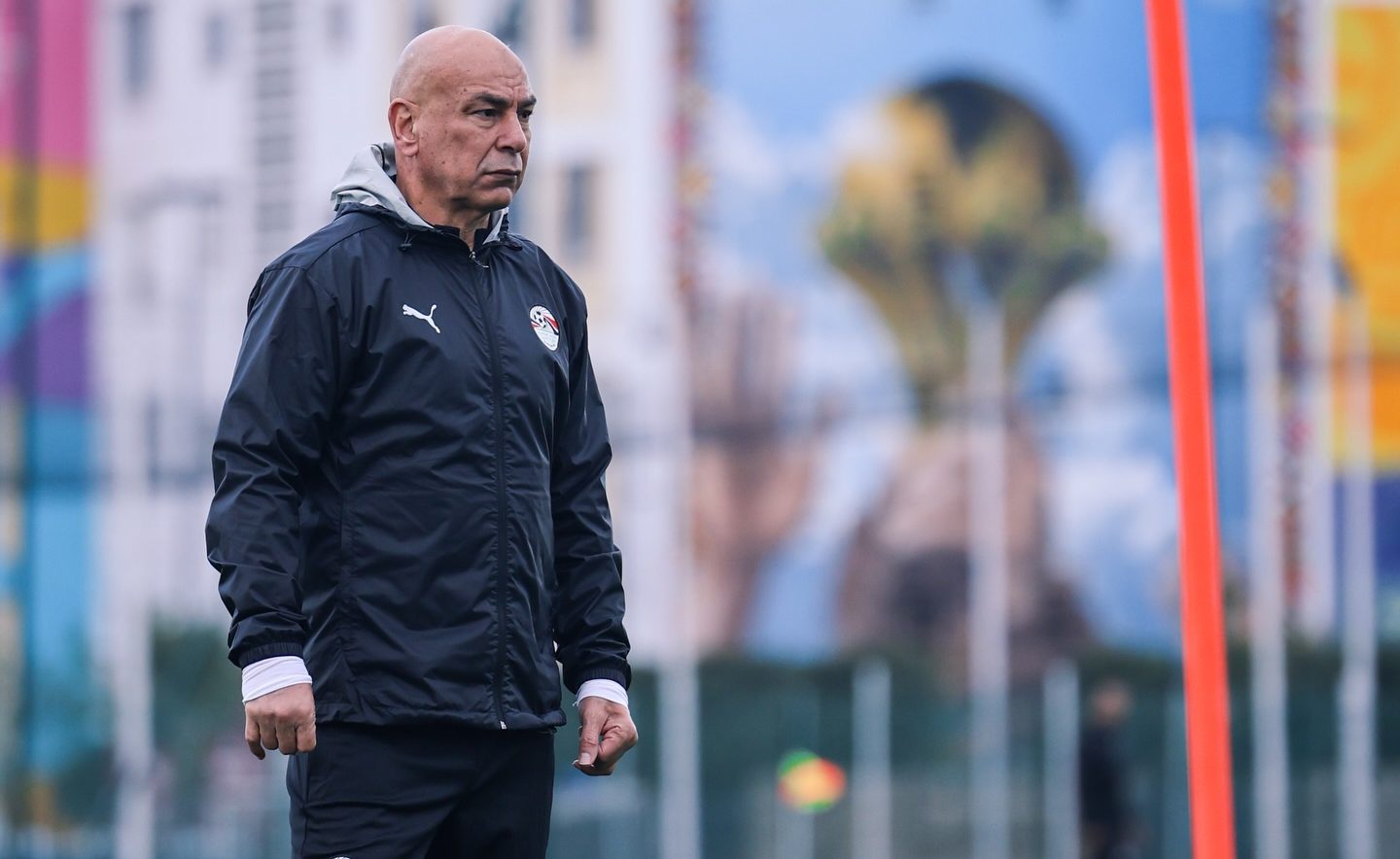
Hossam Hassan. Photo credit: Egypt national team/Facebook
AFCON: Hassan joins Broos in calling for more African exports to Europe
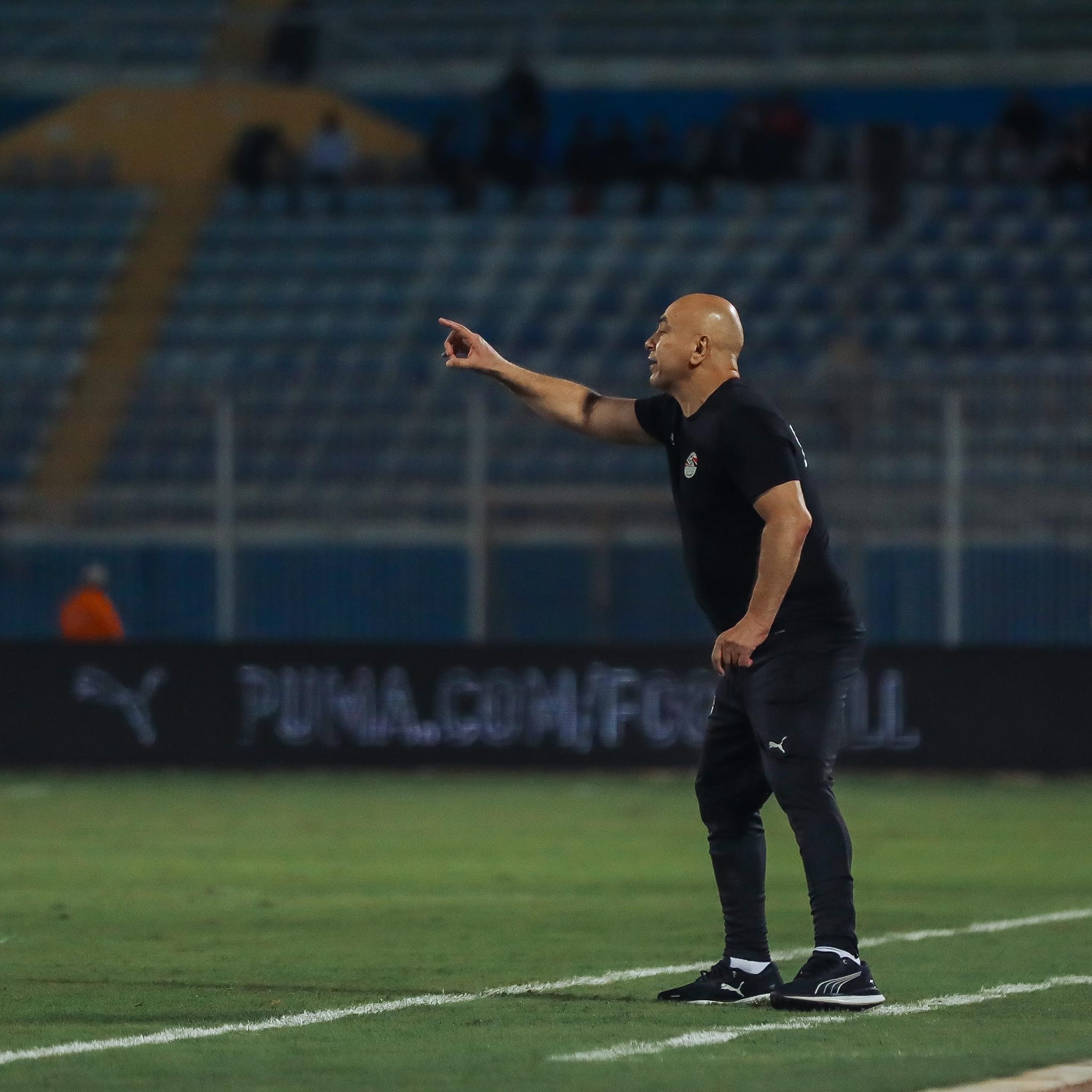
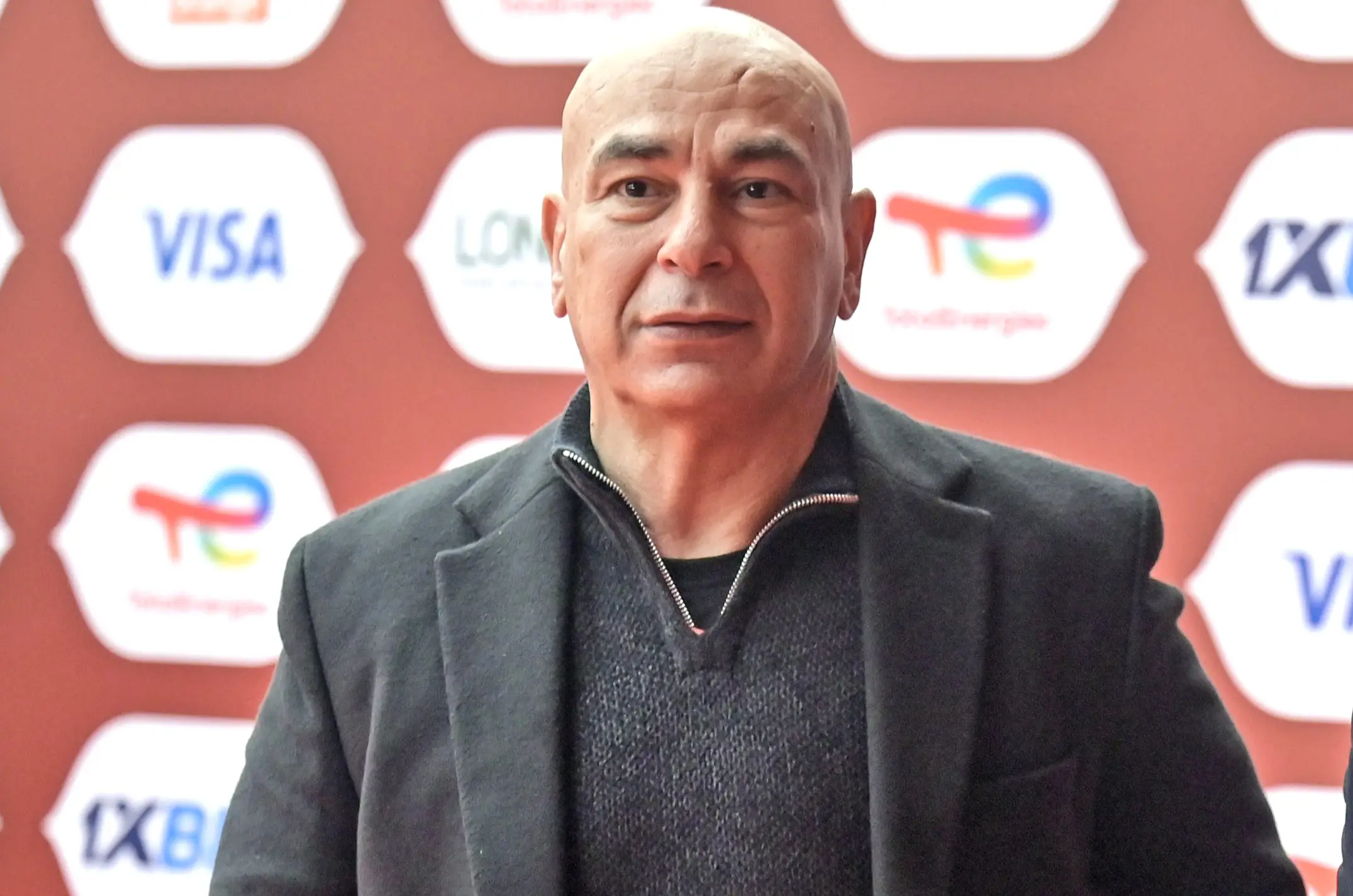
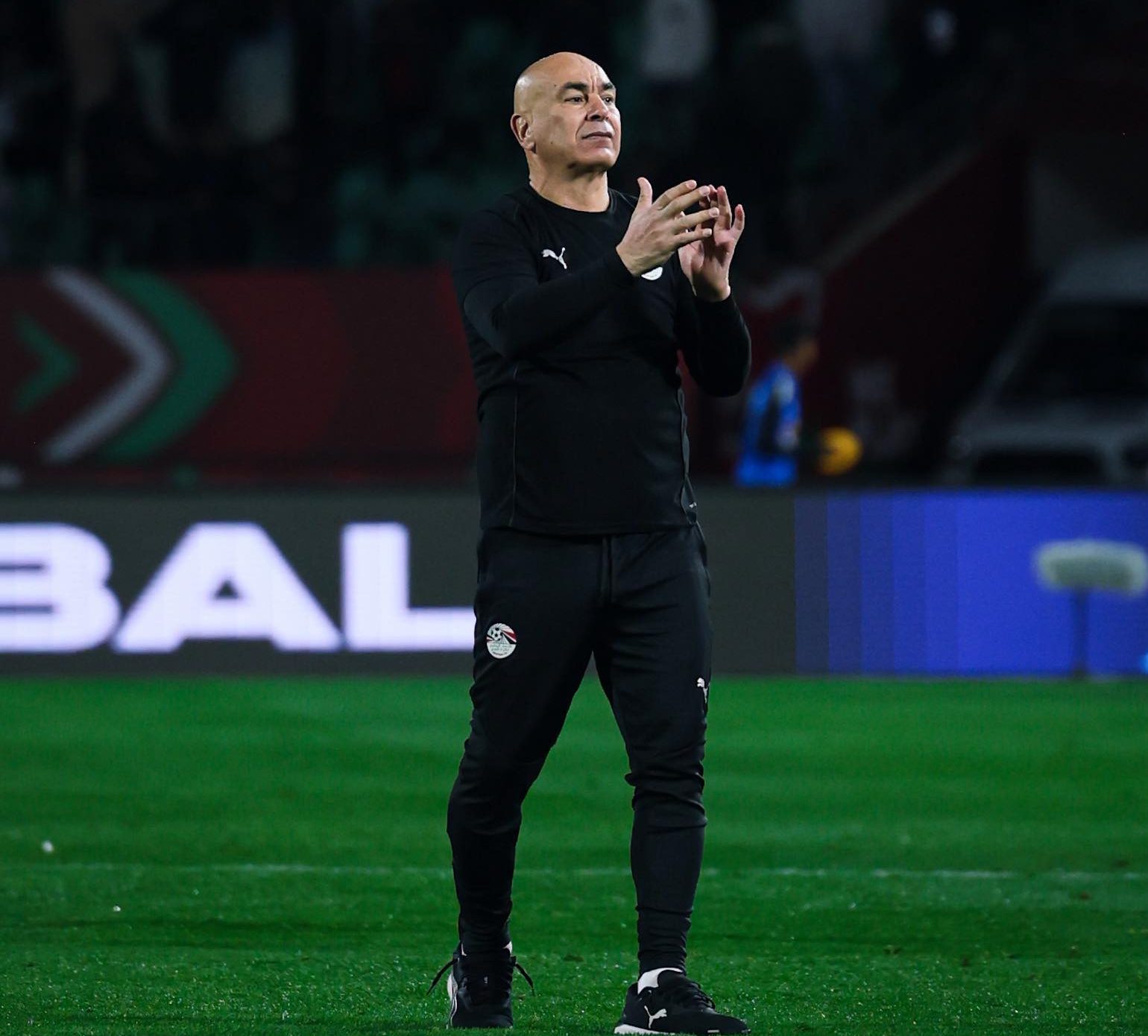
The debate over the “local versus overseas” squad split has been reignited at the 2025 AFCON, with Egypt coach Hossam Hassan echoing the sentiments of Bafana Bafana’s Hugo Broos.
Following the Pharaohs’ narrow 1-0 semi-final defeat to Senegal on Wednesday in Tangier, Hassan was candid about why the North African giants fell short of reaching the final. Despite a squad packed with local talent from powerhouses like Al Ahly and Zamalek, Hassan insists that “local dominance” is no longer the blueprint for continental success.
His comments mirror those made by Broos just last week, who attributed South Africa’s Round of 16 exit to a lack of overseas-based personnel. Broos argued that the Betway Premiership does not sufficiently prepare players for the physical and tactical intensity of the AFCON—a sentiment Hassan now shares.
“Any player playing in Europe becomes more mature physically and tactically,” Hassan told journalists in Casablanca. “Our team has the least number [of exports]. We need more players playing in European leagues.”
The Europe Gap In Egypt’s AFCON Squad
In Egypt’s 2025 AFCON squad, only three players currently ply their trade in Europe: Liverpool FC‘s Mohamed Salah, Manchester City’s Omar Marmoush, and Nantes striker Mostafa Mohamed. Hassan highlighted that while this trio carried the team to the semi-finals, a deeper pool of European-based talent is required to secure an eighth star.
“With the three players we have in Europe, we were able to get to the semi-final,” Hassan added. “But we need more.”
A Challenge to Local Giants
While Broos has often been critical of the standard of the PSL, Hassan took a slightly different route, challenging Egyptian clubs to bridge the intensity gap by prioritising deep runs in the CAF Champions League. However, the legendary striker-turned-coach maintained that the ‘added value’ of a European move cannot be replicated at home.
The Pharaohs are set to face Nigeria in the third-place playoff today at the Stade Mohammed V, while Broos’ Bafana Bafana have already returned home to begin their post-tournament post-mortem.
Both coaches now head into the 2026 World Cup qualifiers with the same message for their respective federations: the future of African national teams lies in the heart of Europe.