
Peter Kanjere
February 20, 2026COSAFA Women’s Championship: ‘Botswana gave Zambia goals’- Nkutlwisang
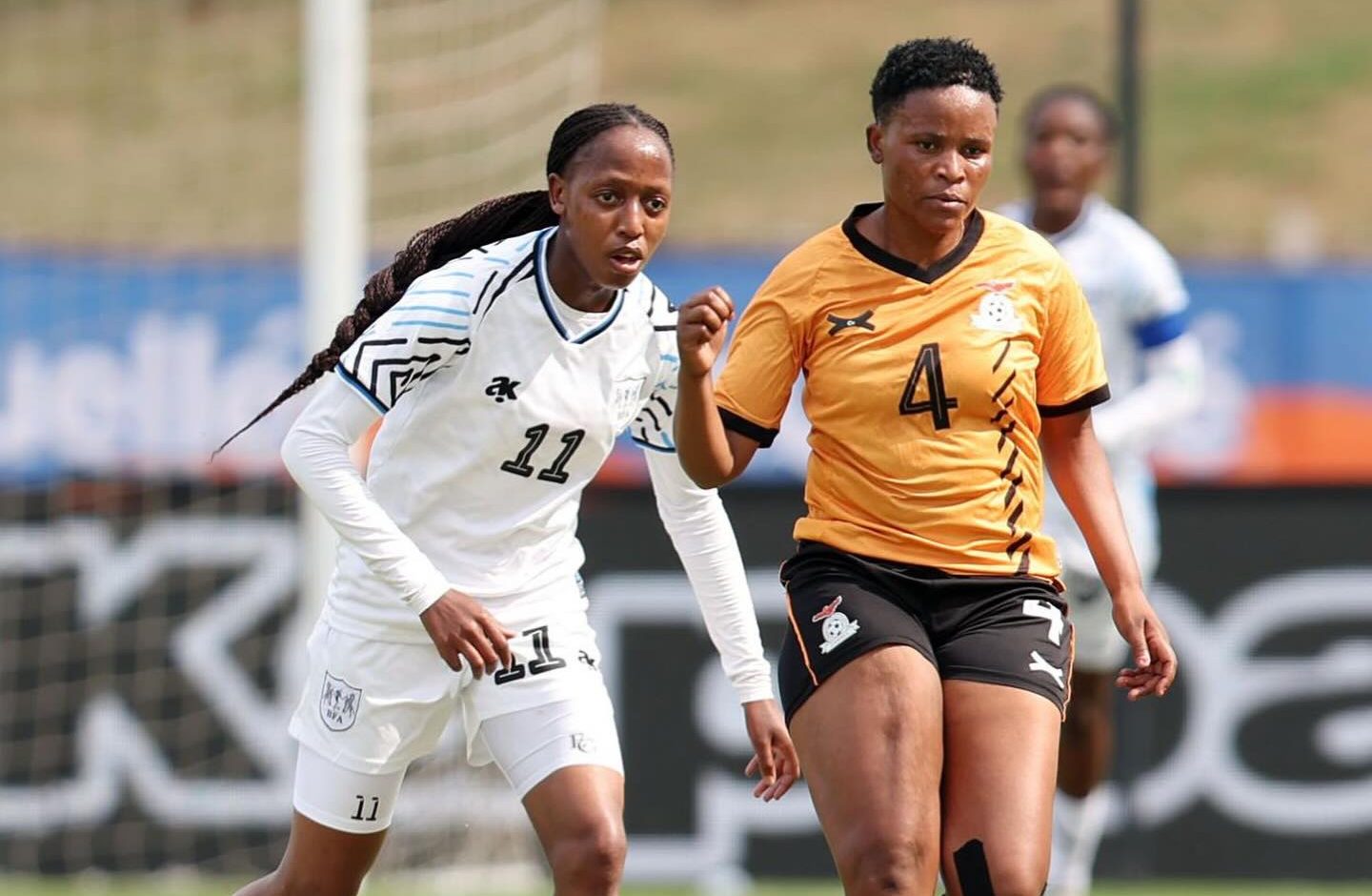
Botswana (white) in action against Zambia Photo Credit: COSAFA media
COSAFA Women’s Championship: ‘Botswana gave Zambia goals’- Nkutlwisang
Botswana women’s team caretaker coach Gaolethoo Nkutlwisang has admitted that her charges were disjointed during their COSAFA Women’s Championship game against Zambia in South Africa on Thursday.
She made the admission after the Mares started their Group B assignments with a 3-0 loss to the Copper Queens at Old Peter Mokaba Stadium in Polokwane.
Team Zambia 🇿🇲 has arrived, excited and ready for the match against Botswana 🇧🇼
#CWC2025 #Hollywoodbets #HollywoodbetsCWC2025 pic.twitter.com/j05jwKXYoV
— COSAFA (@COSAFAMEDIA) February 19, 2026
Midfielders Regina Chanda, Susan Banda and forward Kabanghe Mupopo were on target to hand the Copper Queens a winning start to their title defence.
Ahead of the match, Nkutlwisang took charge of the Mares following Alex Malete’s dismissal, which threw the camp in turmoil with some key players reportedly withdrawing from the tournament.
Why Botswana looked disjoined against Zambia
Little wonder, Botswana, in their coach’s own admission, looked disjointed especially in defence.
“When we came here, we knew very well that Zambia had been training very hard because they are preparing for WAFCON,” Nkutlwisang told COSAFA media.
“When we came here, we had a structure to deny them the space behind. We knew that we are not that fitter so we were looking at the first 45 minutes so that we could break that into three pieces.”
“The girls did well. We kept our structure. The way we played was the way we planned,” she added.
The remarks for the Mares mentor sounded ironic considering that they lost the game.
Mares’ coach clarifies remarks
Nkutlwisang clarified that she felt her girls were only punished by their own mistakes and not as a result of the superiority of the defending champions.
“Looking at the goals that were scored by Zambia, I would generally say we did well. Yes, they scored, but they were give-aways,” she added.
The Mares will gun for their first maximum points when they face Zimbabwe on Tuesday, February 24 at Seshego Stadium in North West Province.
The other game for the group will see Eswatini taking on Zambia at Old Peter Mokaba Stadium.
COSAFA Women’s Championship Fixtures
Friday, February 20
Mozambique vs Namibia – Group C – 15h00, Old Peter Mokaba Stadium
Saturday, February 21
Malawi vs Lesotho – Group A – 12h00, Seshego Stadium
South Africa vs Angola – Group A – 15h00, Seshego Stadium
Zambia Off to a Flying Start
Zambia demonstrated their attacking quality and tournament experience, with midfielders Regina Chanda and Susan Banda, alongside forward Kabanghe Mupopo, finding the back of the net. The result handed the Copper Queens a commanding start as they seek to defend their regional crown.
The Copper Queens are using the COSAFA tournament as part of their preparations for the upcoming Women’s Africa Cup of Nations (WAFCON), and their sharpness and intensity reflected a team that has been training consistently and building cohesion ahead of continental competition.
Turmoil in the Botswana Camp
Botswana’s preparations were far from ideal. Nkutlwisang took over as caretaker coach following the dismissal of former head coach Alex Malete. The sudden change in leadership reportedly unsettled the camp, with some key players withdrawing from the tournament.
Such instability inevitably affected team chemistry and tactical fluidity. The Mares struggled, particularly in defence, where gaps and lapses in concentration allowed Zambia to capitalize on opportunities.
Coach Explains Tactical Plan
Despite the heavy defeat, Nkutlwisang defended her team’s initial game plan. Speaking to COSAFA media, she explained that Botswana had entered the match fully aware of Zambia’s physical conditioning and attacking threat.
“When we came here, we knew very well that Zambia had been training very hard because they are preparing for WAFCON,” she said.
Botswana adopted a structured defensive approach aimed at denying Zambia space behind the backline. The plan was to maintain compactness and manage their energy levels carefully, especially given concerns about fitness.
“We had a structure to deny them the space behind. We knew that we are not that fitter, so we were looking at the first 45 minutes and breaking that into three pieces. The girls did well. We kept our structure. The way we played was the way we planned,” she added.
Her remarks may have sounded surprising considering the 3-0 scoreline, but she insisted that the result did not fully reflect the team’s effort or tactical discipline.
“We Were Punished by Our Own Mistakes”
Nkutlwisang clarified that the goals conceded were largely due to avoidable errors rather than Zambia’s outright dominance.
“Looking at the goals that were scored by Zambia, I would generally say we did well. Yes, they scored, but they were give-aways,” she stated.
Defensive mistakes and turnovers proved costly, allowing Zambia to convert opportunities efficien