
Peter Kanjere
February 19, 2026COSAFA Women’s Championship: Lesotho coach slams players for silly goals
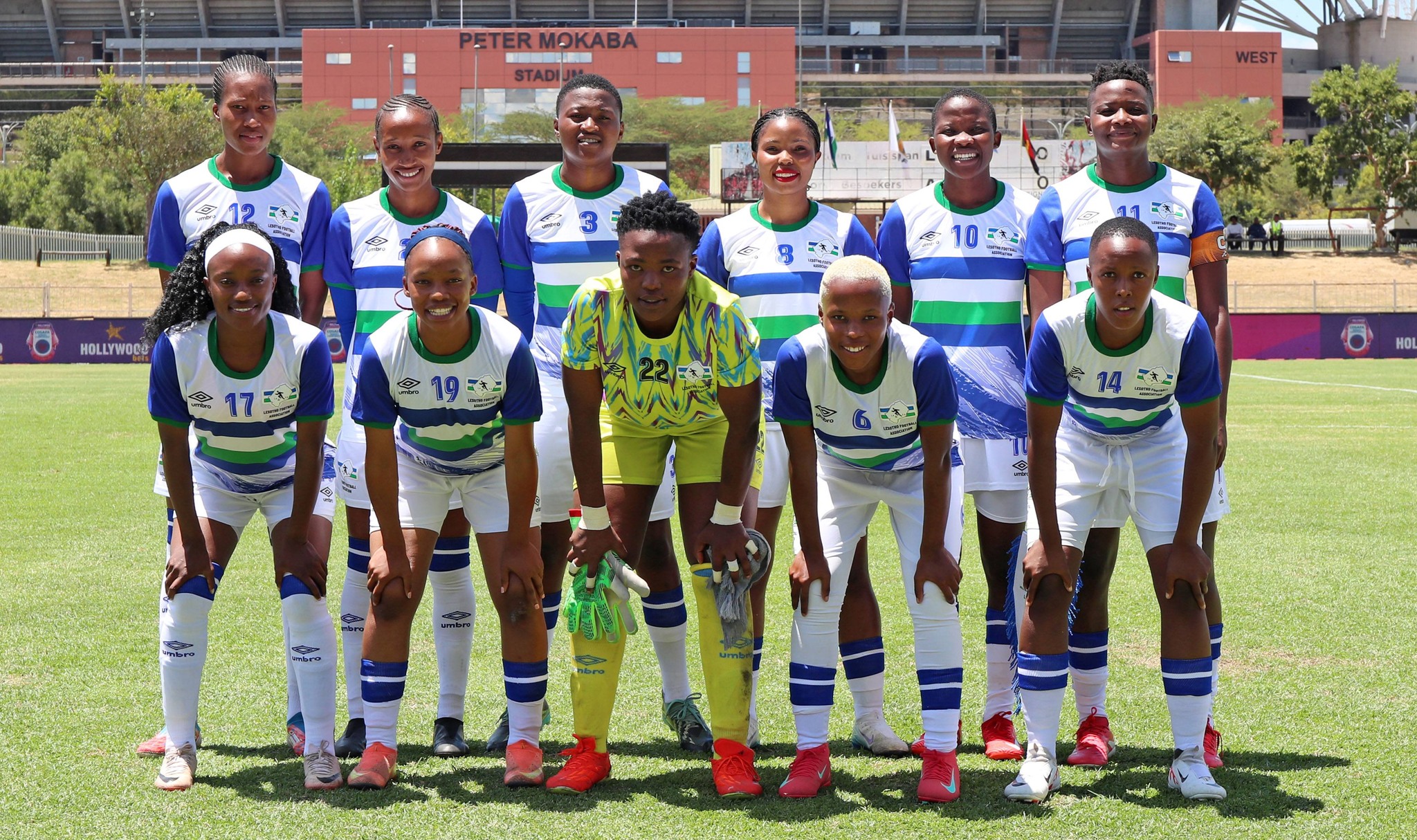
Photo Credit: Lesotho Football Association media
COSAFA Women’s Championship: Lesotho coach slams players for silly goals
Lesotho senior women’s team coach Shalane Lehohla has slammed his players for abandoning the game-plan during the 3-1 defeat at the hands of Angola in the COSAFA Women’s Championship opener in South Africa on Wednesday.
In a post-match interview with the COSAFA media, the Mehalalitoe boss said all was well for the better part of the Group A until when his players got swayed by their lion’s share of possession even though they had not yet scored.
DAY 1 WRAP UP 🙏🔥🏆
Eventful and exhilarating football experiences at the Old Peter Mokaba Stadium. #CWC2025 #Hollywoodbets #HollywoodbetsCWC2025 pic.twitter.com/0PQ1870JbW— COSAFA (@COSAFAMEDIA) February 18, 2026
“We started the game well,” the coach reflected on the match. “We had a good shape, and we tried to control the ball, and that is what we did in the first 30 minutes.
“It was evident that Angola wanted to come out of the flanks and attack with crosses. We managed it well, but during the game, we lapsed and when they got the first goal, it brought my players down and they eventually got the second goal.”
Lehohla justifies ‘silly goals’ remarks
Lehohla bemoaned his players’ failure to stick to what they had agreed before the game: stopping Angola’s crosses into the box.
“Overall, I can say we played according to our plan,” he added. “It is just that there are times players lose focus and try to do things differently because of excitement.
Congratulations ARMINDA PAULINA LOPES (C) 🇦🇴#CWC2025 #Hollywoodbets #HollywoodbetsCWC2025 pic.twitter.com/nGp7kI8FrN
— COSAFA (@COSAFAMEDIA) February 18, 2026
“We got excited because we looked better during the first half of the game. We created a lot of chances, and that got into my players’ heads.
“We got excited and lost concentration, and that is why we conceded those two silly goals. I can say they were silly goals because that is what we discussed during the water break, that they were trying to come with crosses and we must try to manage our space well, but they didn’t.”
Lesotho’s coach expects his players to right the wrongs when meeting Malawi on Saturday in the group’s second match.
The other meeting will be between joint leaders Angola and South Africa who beat the Scorchers on Wednesday.
COSAFA Women’s Championship Fixtures
Thursday, February 19
Eswatini vs Zimbabwe – Group B – 12h00, Old Peter Mokaba Stadium
Zambia vs Botswana – Group B – 15h00, Old Peter Mokaba Stadium
Friday, February 20
Mozambique vs Namibia – Group C – 15h00, Old Peter Mokaba Stadium
Saturday, February 21
Malawi vs Lesotho – Group A – 12h00, Seshego Stadium
South Africa vs Angola – Group A – 15h00, Seshego Stadium
COSAFA Women’s Championship: Lesotho Coach Slams Loss of Focus After Angola Defeat
Lesotho senior women’s national team head coach Shalane Lehohla did not hide his frustration following his side’s 3-1 defeat to Angola in their opening Group A match of the COSAFA Women’s Championship in South Africa.
Speaking to COSAFA media after the game, the Mehalalitoe tactician criticized his players for abandoning the tactical blueprint that had initially kept them competitive during the contest at Old Peter Mokaba Stadium.
Despite periods of encouraging play and extended spells of possession, Lesotho left the pitch empty-handed — a result their coach believes was avoidable.
A Promising Start Undone
Lehohla reflected on a bright opening from his team, insisting that the match had largely followed their intended structure for the first half-hour.
“We started the game well,” he said. “We had a good shape, and we tried to control the ball, and that is what we did in the first 30 minutes.”
Lesotho looked composed early on, limiting Angola’s opportunities and attempting to build patiently from the back. The defensive line stayed compact, and midfield transitions appeared organized.
The coach had anticipated Angola’s attacking approach — particularly their reliance on width and crosses into the penalty area — and his team initially managed that threat effectively.
However, the turning point arrived when Lesotho conceded the first goal.
Defensive Lapses and ‘Silly Goals’
According to Lehohla, the problem was not a lack of preparation but a lapse in concentration.
“It was evident that Angola wanted to come out of the flanks and attack with crosses. We managed it well, but during the game, we lapsed.”
Once Angola found the net, Lesotho’s composure appeared to unravel. A second goal followed soon after, leaving the Mehalalitoe chasing the game.
Lehohla described the goals as preventable and expressed disappointment that his players did not adhere to the instructions discussed during a tactical water break.
“We got excited because we looked better during the first half of the game. We created a lot of chances, and that got into my players’ heads,” he explained.
“We lost concentration, and that is why we conceded those two silly goals. I can say they were silly goals because that is what we discussed during the water break — that they were trying to come with crosses and we must try to manage our space well, but they didn’t.”
For the coach, the defeat was not simply about technical shortcomings but about discipline and game management.
Possession Without Reward
One of the more frustrating aspects for Lesotho was their share of possession. The team controlled significant stretches of the first half but failed to convert that control into goals.
Creating chances without finishing them proved costly, particularly in tournament football where small margins define outcomes.
Angola, by contrast, showed greater efficiency in front of goal and capitalized on Lesotho’s defensive hesitation.
The match highlighted a common issue in competitive regional tournaments: dominance in possession does not guarantee results without clinical execution and sustained focus.
Pressure Ahead of Malawi Clash
The loss places immediate pressure on Lesotho ahead of their next Group A encounter against Malawi.
With South Africa and Angola also in the group, every point becomes critical in the race for semi-final qualification.
Lehohla believes his team can correct the mistakes.
He expects a response when they face Malawi at Seshego Stadium on Saturday. The coach has emphasized the need for improved concentration and better defensive organization, particularly in wide areas.
Group Dynamics Taking Shape
Elsewhere in Group A, Angola’s victory puts them in a strong early position, while South Africa also claimed three points in their opener.
The competition’s format leaves little room for error. A second defeat would significantly dent Lesotho’s hopes of progression.
The opening day of the tournament also saw action in other groups, with fixtures scheduled across Old Peter Mokaba Stadium and Seshego Stadium in Polokwane.
Tactical Lessons Moving Forward
For Lesotho, the lesson is clear: tactical discipline must last the full 90 minutes.
Lehohla’s post-match remarks underline the importance of mental resilience in tournament football. Excitement from early dominance can quickly turn into vulnerability if defensive instructions are ignored.
Maintaining shape, tracking wide runners, and limiting crosses will likely remain focal points in training sessions before the Malawi match.
A Chance to Respond
Despite the setback, the tournament is far from over for Lesotho.
Group-stage competitions often hinge on how teams respond to adversity. A disciplined and focused performance against Malawi could revive their campaign and restore belief within the squad.
For now, the coach’s message is firm but constructive: talent and possession mean little without sustained concentration.
Lesotho’s next 90 minutes will determine whether this opening defeat becomes a learning curve — or a costly misstep in their COSAFA journey.