
Ronald Lusulire
April 2, 2026Nakivubo Stadium at 100 years: A century of roars, glory and reinvention
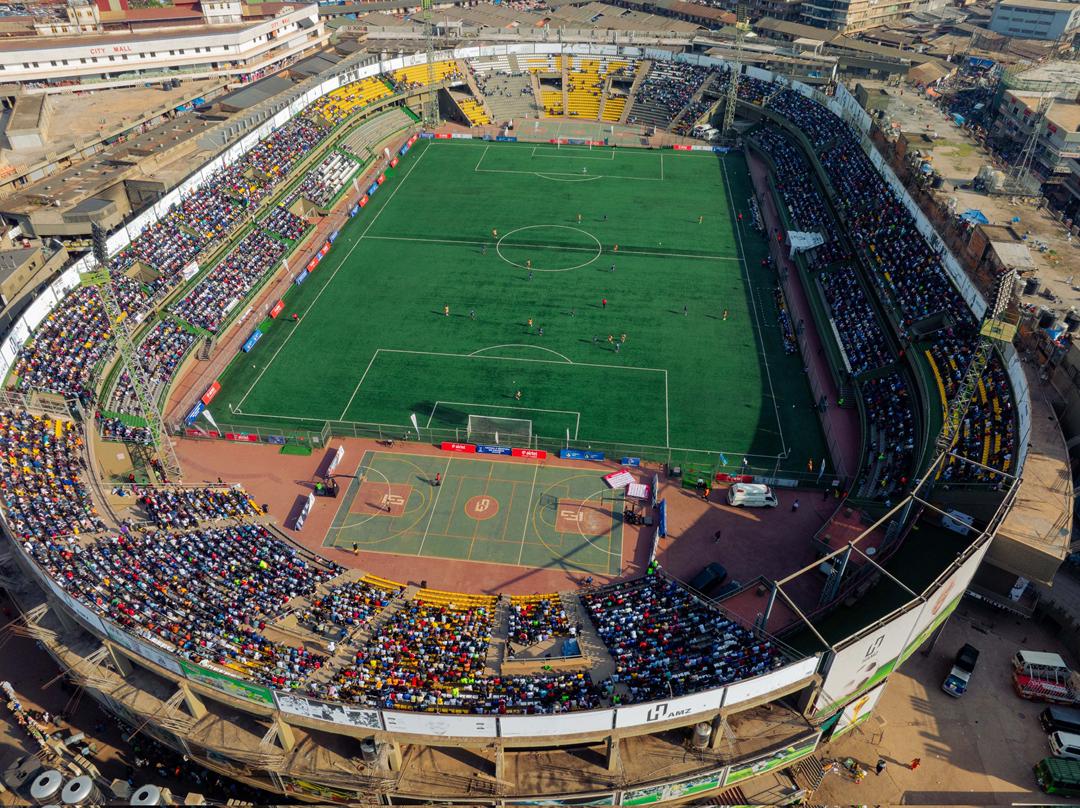
Nakivubo Stadium at 100 years: A century of roars, glory and reinvention
As April dawned, Nakivubo Stadium quietly reached a remarkable milestone 100 years of existence.
For a ground that has lived through generations, political eras, and the evolution of Ugandan football, Nakivubo is more than concrete and turf; it is a living memory bank of the beautiful game.
Opened in 1926, the stadium quickly became the heartbeat of football in Kampala. Long before modern arenas emerged, Nakivubo was the stage where dreams were born and legends carved their names into Ugandan folklore.
From dusty terraces packed with passionate fans to electrifying atmospheres on matchdays, the venue became synonymous with raw football emotion.
One of its most cherished eras came in the 1970s and 1980s when Ugandan club football was at its peak. Fierce rivalries, especially between giants like SC Villa and Express FC, turned Nakivubo into a fortress of noise. The stadium would fill to capacity, with fans perched in every corner, witnessing dramatic title deciders and unforgettable derby clashes that defined generations.
The first #KampalaDerby of the season is on today under the lights in Nakivubo!#EXPSCV | #StarTimesUPL#HomeOfUgandanSport pic.twitter.com/3vGne3s4l2
— FUFA Tv (@fufatv1) November 8, 2024
Nakivubo also played host to historic continental nights. Ugandan clubs, backed by roaring home support, faced off against Africa’s finest, turning the venue into a cauldron of belief.
Those evenings, under dim floodlights and deafening chants, gave Ugandan football its continental identity.
International football was no stranger to Nakivubo either. Before the expansion and modernization of Mandela National Stadium, Nakivubo regularly hosted the Uganda Cranes. Fans still recall crucial qualifiers and gritty performances where the Cranes fed off the crowd’s unmatched energy to grind out results.
Beyond football, the stadium became a cultural hub hosting boxing bouts, political rallies, and community gatherings. It stood as a symbol of unity, where people from all walks of life came together under one roof.
However, time took its toll. By the early 2000s, Nakivubo had begun to show signs of aging. Concerns over safety and infrastructure grew, and its once-glorious stands slowly faded into nostalgia. Yet, its story was far from over.
A new chapter began in 2017 when redevelopment plans were initiated, transforming the historic ground into a modern facility. After years of reconstruction, the stadium was reborn and officially reopened in 2023 as Hamz Stadium Nakivubo. The renovation brought a fresh identity modern seating, improved facilities, and a commercial complex while preserving the soul of the original ground.
Today, Hamz Stadium stands as a bridge between past and future. It carries the echoes of a century every cheer, every goal, every heartbreak while offering a new generation a platform to create their own memories.
At 100 years, Nakivubo is not just celebrating longevity; it is celebrating legacy. A legacy of passion, resilience, and an unbreakable bond with Ugandan football.