Omna Taddele
April 1, 2026Diaspora reinforcements: Ethiopia coach Sahle urges National Team policy shift
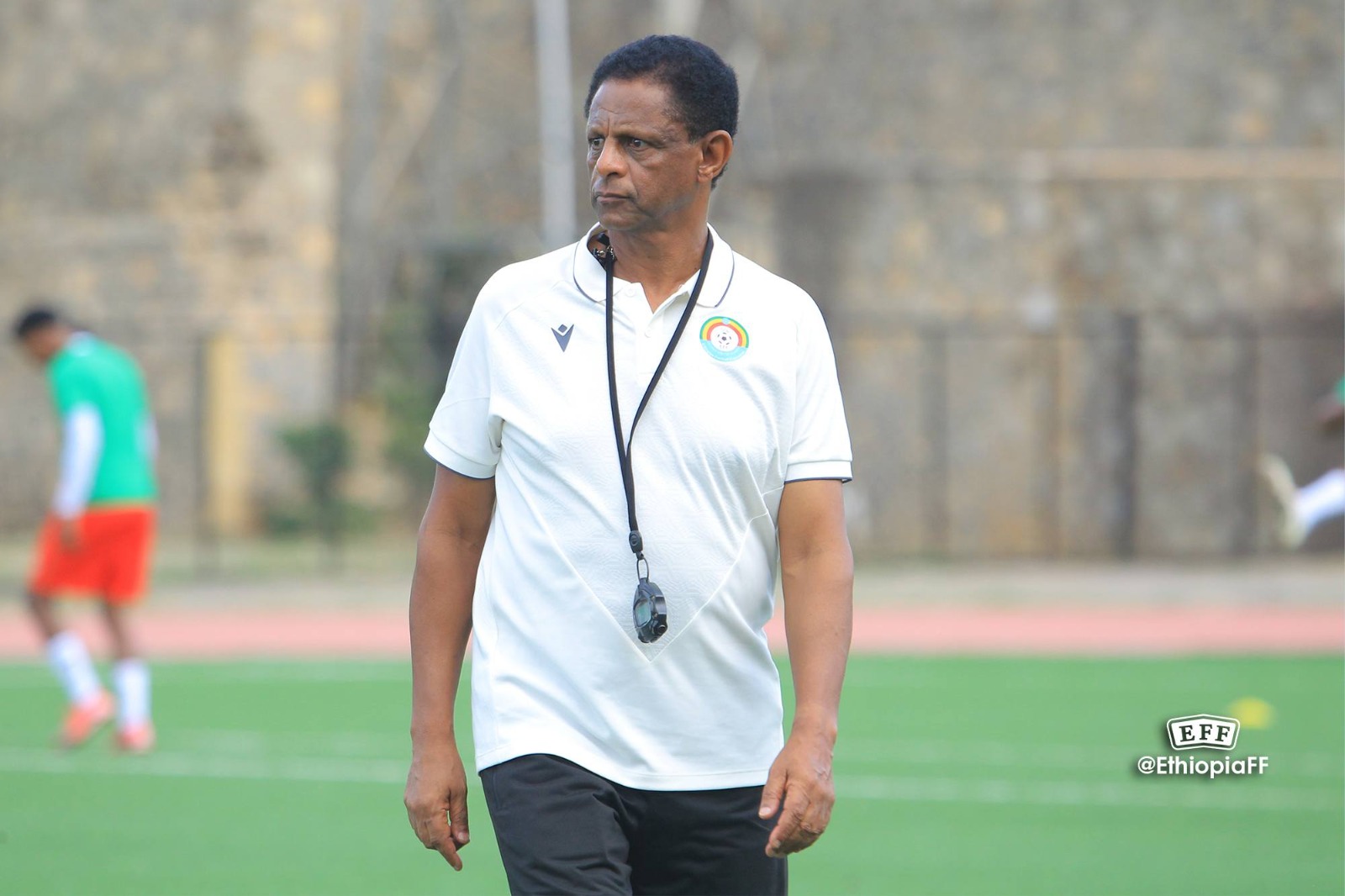
Yohannes Sahle. Photo credit: Ethiopian Football Federation
Diaspora reinforcements: Ethiopia coach Sahle urges National Team policy shift
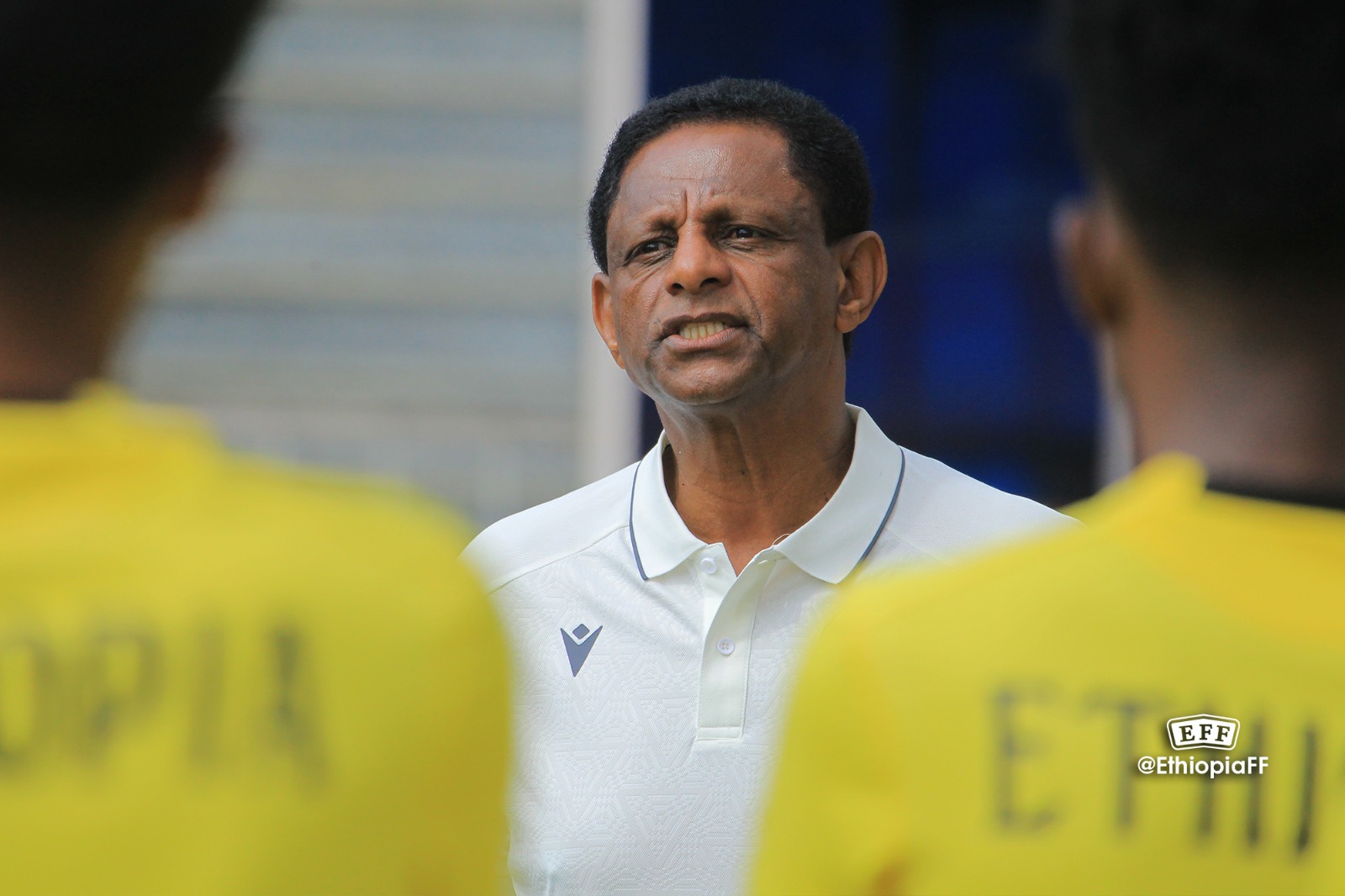
Ethiopia head coach Yohannes Sahle has issued a defiant call to action, insisting that incorporating players of Ethiopian heritage into the national setup is no longer a luxury, but a strategic necessity.
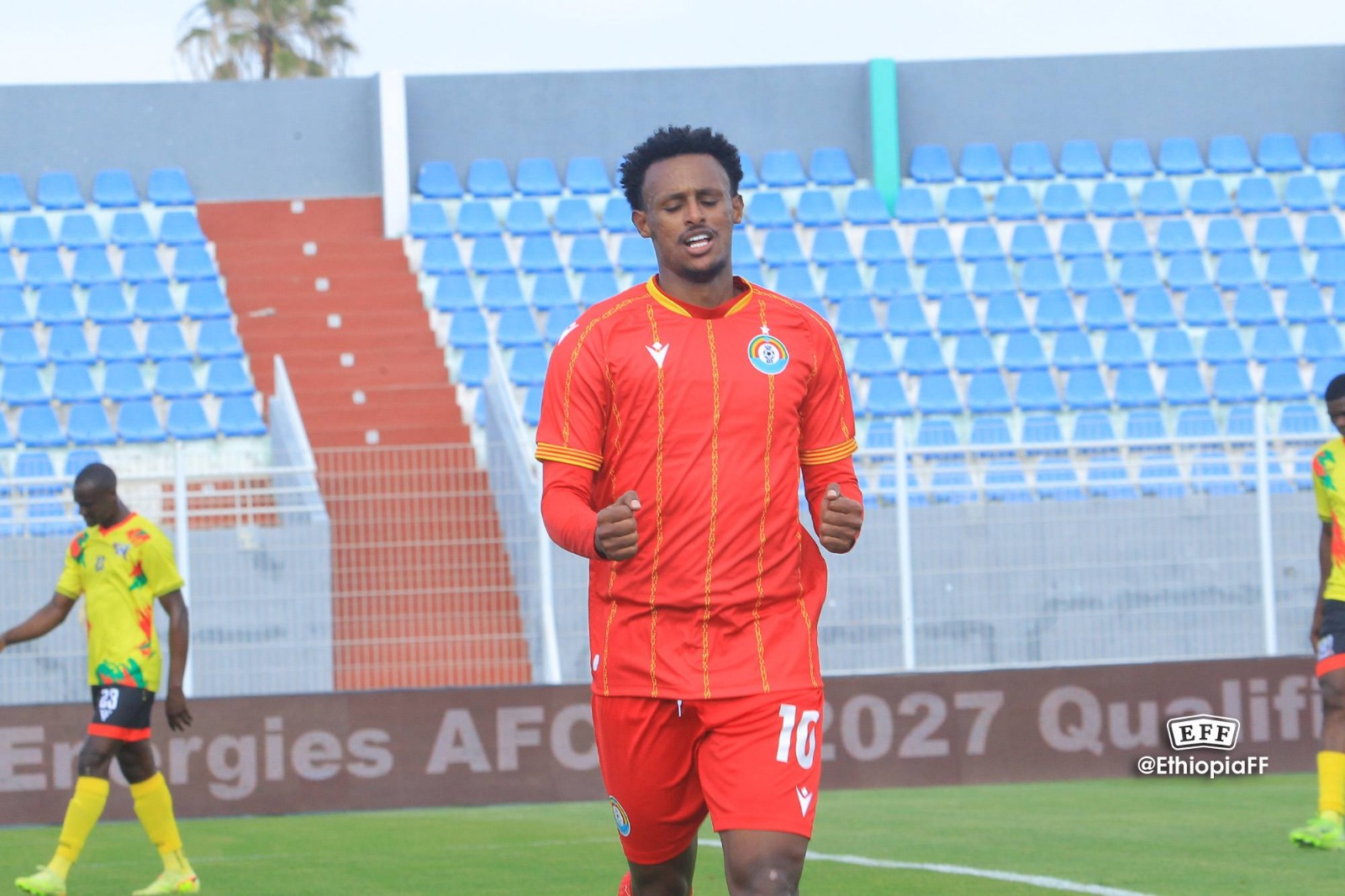
While the Waliyas recently secured their spot in the CAF 2027 Africa Cup of Nations (AFCON) qualifying group with a commanding 4–0 aggregate victory over Sao Tome and Principe, the squad remains almost entirely reliant on talent harvested from the local domestic league.
Sahle emphasised to local reporters that Ethiopia must stop lagging behind its continental rivals in the race to recruit overseas-based talent.
“It is fundamentally up to the state to amend the current regulations, but I would be deeply encouraged if we could integrate them. If these players are competitive and truly worthy of selection, I see no logical reason why we shouldn’t utilize their skills. They are effectively asking to represent us without the nation having invested a single penny in their development. It is both a privilege and an honour to witness athletes who possess such a profound desire to represent this nation, despite us not contributing to their initial footballing growth,” Sahle stated.
Why Ethiopia Must Change Dual Citizenship Laws, Sahle Explains
The Ethiopian Football Federation (EFF) has spent years attempting to lure the diaspora back to the national fold, yet progress has been historically stifled by rigid legal frameworks. Ethiopian law currently prohibits dual citizenship, a hurdle that has repeatedly seen potential stars fail to register for the Waliyas.
However, the EFF—alongside chief scout David Besha—has intensified its lobbying efforts with the government, with minor breakthroughs reported since last year. Besha previously noted to Pan Africa Football that there are currently over 100 players scattered across Europe, America, and Australia who are eligible to represent Ethiopia at both youth and senior levels.
The ‘Eritrea Example’
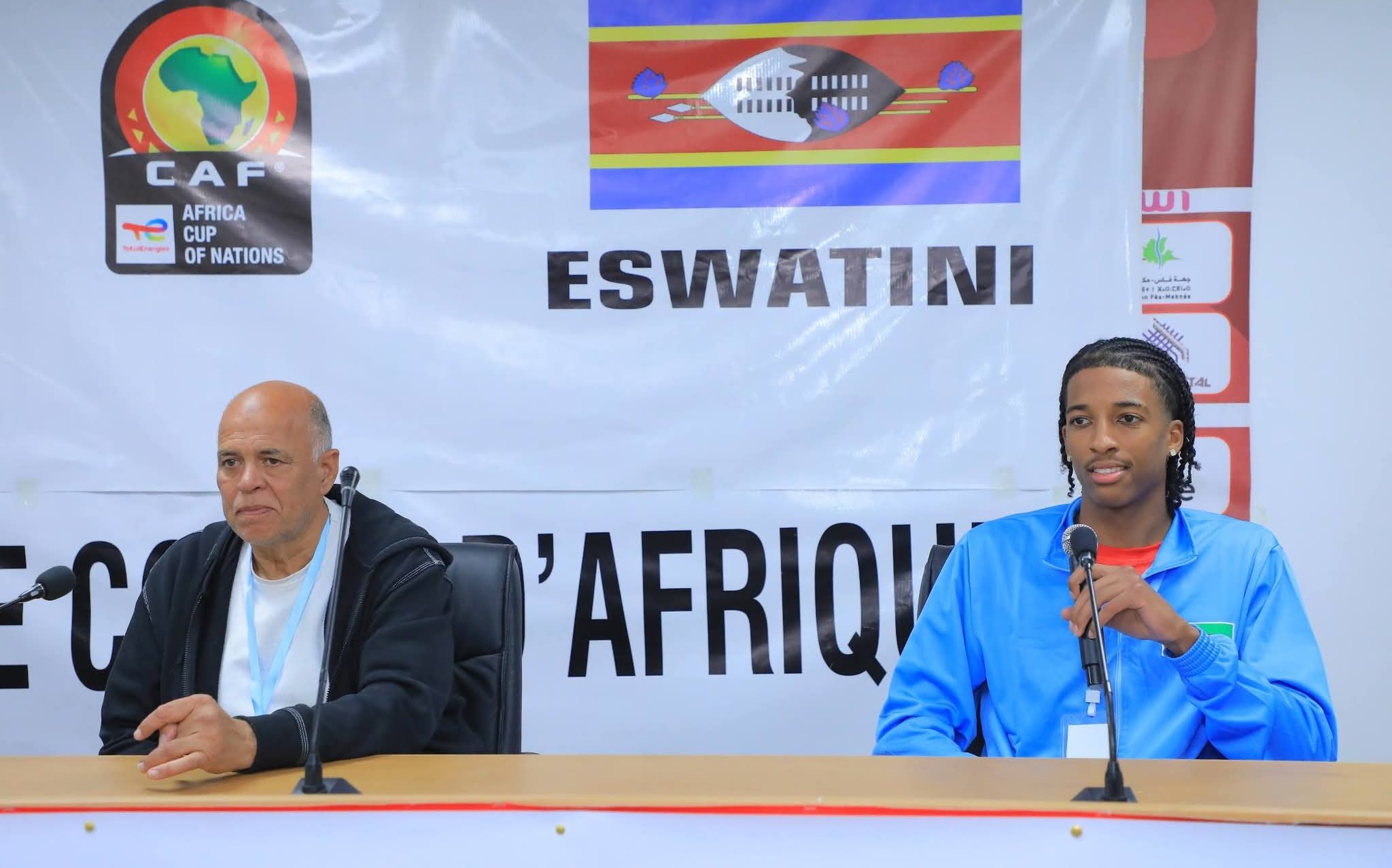
Sahle pointed toward the recent success of neighbors Eritrea to illustrate the transformative power of the diaspora. Eritrea famously utilized 13 players based in Europe and Australia to dismantle Eswatini 4–1 in the AFCON preliminary rounds.
“The rest of the footballing world is already moving in this direction. Why should we remain the exception? For instance, Eritrea is successfully integrating players with Eritrean heritage. It is the government that must ultimately resolve this challenge. There are other nations that restrict dual citizenship but still find legal mechanisms to use diaspora players in their national teams. We can certainly draw lessons from those cases and move forward.”
Despite being a founding member of the Confederation of African Football (CAF) in 1957, Ethiopia has struggled to reclaim its status as a powerhouse since its lone AFCON title over six decades ago.
With a massive population exceeding 100 million, the country’s inability to produce a consistently competitive side remains a point of national frustration. For many experts, the immediate solution to the national team’s inconsistent results lies in the rapid integration of the “Global Waliyas” to bolster the local foundation.