Omna Taddele
March 6, 2026Djibouti: Stadium fails CAF inspection, hosting ban continues
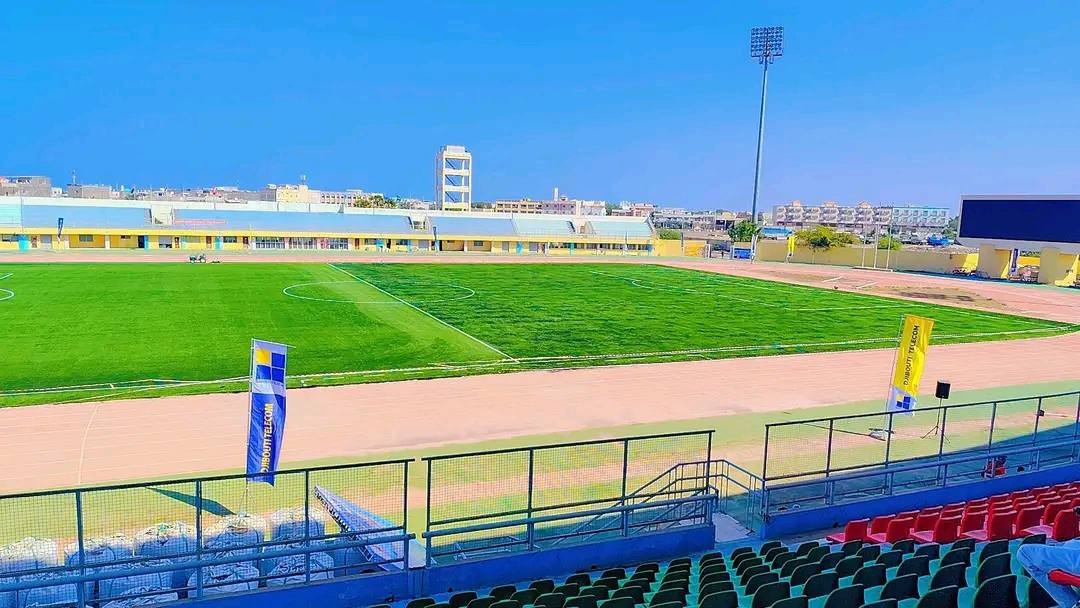
Photo: Djib Media
Djibouti: Stadium fails CAF inspection, hosting ban continues
The Confederation of African Football (CAF) has denied Category 3 accreditation to El Hadj Hassan Gouled Aptidon Stadium, the Djiboutian Football Federation (FDF) confirmed. Djibouti were hopeful to stage a continental qualifying game after a five-year hiatus at home, but that dream is shattered for now.
CAF had an inspection visit at the stadium last week and decided against granting accreditation. FDF, in an official statement, stated the stadium could not meet the minimum requirements put by CAF as the ban continues for another month. “CAF stated that, despite the advancements observed in certain sectors, the stadium does not yet fully meet the requirements for Category 3 accreditation, in accordance with the current international standards.”
The El-Hadj Hassan Gouled Aptidon Stadium had a major refurbishment in early 2026 with the hope of securing accreditation for the upcoming 2027 Africa Cup of Nations preliminary round qualifiers. Djibouti will be playing against South Sudan, but now they will need to find a new home for the tie. The national team has been using venues in Morocco to stage international games in recent times.
FDF confirmed the venue will still be refurbished and announced it has acquired a plot of land from the government to build a new 20,000-seater FIFA standard stadium.
The decision by CAF to deny Category 3 accreditation is a setback for the national federation football, which had been hoping to return to hosting international matches at home. Over the past few years, the national team has been forced to play its home fixtures in other countries due to stadium infrastructure challenges. This situation has often placed additional financial and logistical pressure on the Djiboutian Football Federation.
Despite the disappointment, the FDF remains optimistic that improvements to the El Hadj Hassan Gouled Aptidon Stadium will eventually meet CAF standards. The federation has indicated that further upgrades will continue in the coming months in order to address the issues highlighted during the inspection process. Ensuring the stadium meets continental requirements remains a top priority for football authorities in the country.
Hosting matches at home is considered vital for the national federation’s national team, as playing in front of local supporters can provide a significant advantage. Support from home fans often boosts the morale of players and creates a more competitive atmosphere during international fixtures.
Meanwhile, the plan to construct a new 20,000-seater FIFA-standard stadium could represent a long-term solution for the national federation’s football infrastructure challenges. Once completed, the new stadium would allow the country to host international qualifiers and other major football events, helping to develop the sport locally and attract more regional competitions.
For now, the national federationwill continue preparing for their upcoming Africa Cup of Nations qualifying matches while searching for an alternative venue to host their clash against South Sudan. Football officials hope that ongoing investments in infrastructure will eventually allow the national team to return to playing competitive matches on home soil.
The latest setback also highlights the broader challenge of football infrastructure development in Djibouti. While significant progress has been made in recent years, meeting the strict standards set by CAF requires continuous investment and upgrades. Football authorities in the country believe that once the current improvements and future stadium projects are completed, Djibouti will be better positioned to host international matches and strengthen the growth of football in the region.
For Djibouti’s players, the inability to host matches at home remains a challenge as they continue their international campaigns. Playing away from home often means less support from local fans and additional travel demands. However, the national team remains focused on improving its performances while waiting for the day when international fixtures can once again be hosted in Djibouti.