Martin T
May 6, 2026African giants Morocco secure elite New Jersey base for 2026 World Cup
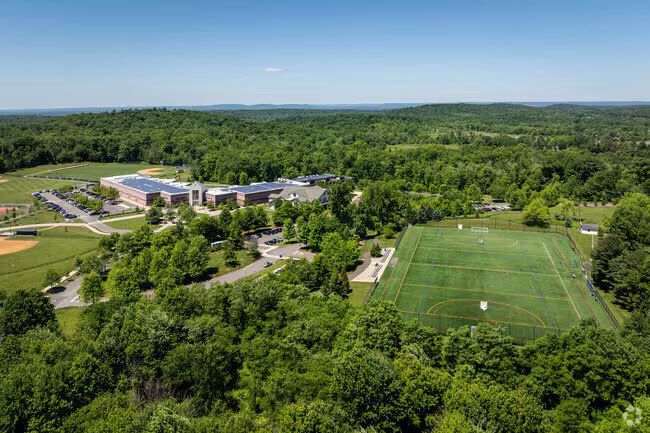
Pingry School in Basking Ridge, New Jersey. Photo credit: Supplied
African giants Morocco secure elite New Jersey base for 2026 World Cup
The Atlas Lions are heading back to familiar territory. Morocco have designated New Jersey as their base camp for the 2026 FIFA World Cup, setting a sophisticated foundation for their high-stakes return to the global stage this July.
By securing one of the tournament’s most prestigious training environments, the Moroccan national team is signalling its intent to build on a legacy that captivated the world in 2022. The Atlas Lions will conduct their final preparations at The Pingry School in Basking Ridge, a venue that boasts a storied World Cup pedigree.
Having previously hosted international delegations during the 1994 World Cup, the facility offers a symbolic bridge between the past and Morocco’s modern ambitions.
As the Atlas Lions gear up for their seventh appearance at the world’s premier sporting extravaganza, the choice of a base rooted in tradition adds significant weight to their mission. They arrive in North America looking to eclipse their historic heroics in Qatar, where they broke the glass ceiling for African football by becoming the first nation from the continent to reach a World Cup semi-final.
Morocco’s group-stage itinerary will be centred entirely within the United States, forming a central part of a revolutionary tournament. The 2026 edition marks a series of historic milestones, with Canada, Mexico, and the USA serving as co-hosts for a record-breaking 48-team field.
ATLAS LIONS OF MOROCCO SECURE HIGH-DEMAND TRAINING HUB AHEAD OF BRAZIL CLASH
The Atlas Lions are set for a blockbuster opening fixture against Brazil on June 13 at the iconic MetLife Stadium. Their journey continues on June 19 against Scotland at Gillette Stadium in Foxborough, before they conclude the group phase on June 24 against Haiti at the Mercedes-Benz Stadium in Atlanta.
The decision to anchor in New Jersey is a masterclass in logistics. By remaining in the Garden State, Morocco stays within proximity of their opening match and maintains a manageable travel schedule along the East Coast corridor, ensuring maximum recovery time between high-intensity fixtures.
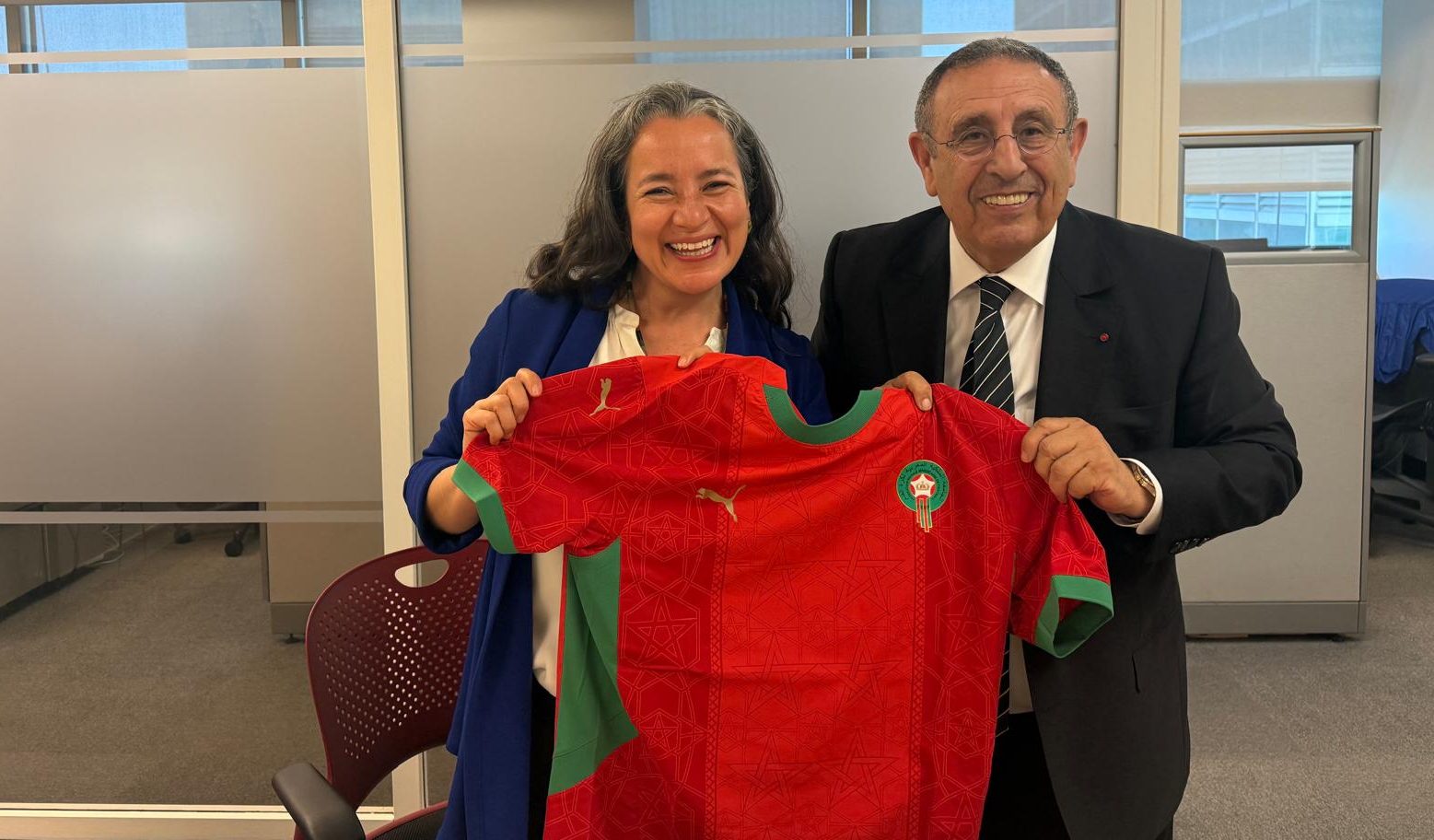
New Jersey Governor Mikie Sherrill welcomed the news with enthusiasm, highlighting the state’s readiness for the global spotlight. “New Jersey is thrilled to welcome Morocco – and the rest of the world – to our state for the FIFA World Cup 2026,” Sherrill stated. “We are especially honoured that Team Morocco has decided to make our state its home away from home.”
Youssef Amrani, the Moroccan Ambassador to the United States, echoed these sentiments, emphasising the strategic importance of securing such a competitive training hub. “My deepest gratitude goes to the State of New Jersey and The Pingry School for their exceptional hospitality. Football possesses a unique power to unite nations, and we look forward to fostering enduring bonds throughout this journey,” Amrani remarked.
The Atlas Lions will find themselves in good company. Senegal, the continental rivals whom Morocco defeated for the African title, will also be stationed in the state at Rutgers University. This concentration of talent underscores a massive African footprint in New Jersey, as the Teranga Lions prepare for their own challenging fixtures against France and Norway.
The state is rapidly becoming a microcosm of the tournament itself. While the African giants settle in, Brazil will be utilising the Columbia Park Training Centre in Morris Township, and Haiti will set up their camp at Stockton University.
With four powerhouse nations converging on the area, and the World Cup Final itself slated for MetLife Stadium, New Jersey is no longer just a host—it is the beating heart of the 2026 FIFA World Cup.